- 10/11/2026
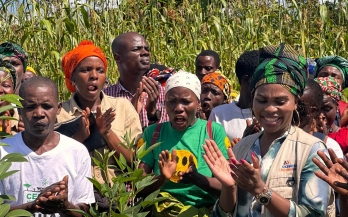
Mozambique faces one of the highest rates of chronic malnutrition in Sub-Saharan Africa, with 37% of children under five years of age stunted and more than half of women of reproductive age suffering from anaemia. At the same time, climate shocks, food insecurity, and limited dietary diversity continue to undermine household resilience.
The approval of Mozambique’s Food and Nutrition Security Policy and Strategy (PESAN III) (2024–2030) marked a turning point. For the first time, Mozambique has a unified, multisectoral framework to align government, partners, and investments toward improving diets and reducing malnutrition.
PESAN III’s shift from a long pending draft to an approved national framework shows what coordinated action can achieve. Through focused advocacy and coalition building, CASCADE helped bring government and partners into alignment ahead of the Council of Ministers’ approval in August 2024 and now works with national and provincial authorities, particularly in Nampula, to put the strategy into practice.
This brief highlights the steps taken to secure momentum around a national strategy and to translate its priorities into localized plans, tools, and actions that advance nutrition and household resilience.
- 10/11/2026
In Ethiopia’s Amhara region, micronutrient deficiency, often called “hidden hunger”, continues to affect millions of people, especially women and children. Hidden hunger occurs when diets lack essential vitamins and minerals such as iron, vitamin A, zinc, iodine, and folic acid. This can lead to anaemia, poor growth, weakened immunity, pregnancy complications, and birth defects such as anencephaly, encephalocele, spina bifida. It also reduces the energy people need for work, caregiving, and daily life.
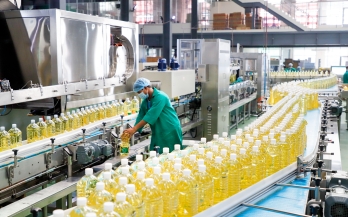
Through policy support, private sector engagement, and technical assistance, CASCADE is helping millions of people in Amhara region gain access to fortified wheat flour and edible oil for better nutrition.
- 10/11/2026
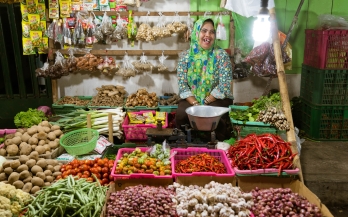
Indonesia’s rich food biodiversity offers a unique opportunity to improve nutrition, strengthen food security, and build resilience to climate change. This publication series presents the findings of a collaborative assessment developed by Kementerian PPN/Bappenas, GAIN, and Life Cycle Indonesia (LCI), to identify local food commodities that are nutritious, environmentally sustainable, and resilient to climate risks across eight provinces in Indonesia.
- 12/10/2026
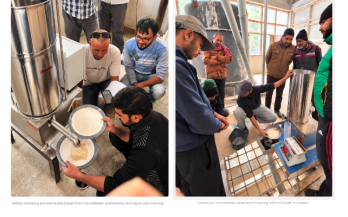
Ladakh’s wheat flour fortification program, launched in 2022, addresses severe anaemia with full government funding, high coverage through the PDS, compliant mills, and micronutrient blend of iron, folic acid, vitamin B12.
Key recommendations include local evidence collection, capacity building, quality testing, storage protocols, behavior change communication, multisectoral convergence, and robust monitoring for sustainability.
- 12/10/2026
The Wheat Flour Fortification (WFF) programme in Himachal Pradesh is a mature example of a state-wide food fortification initiative implemented through the Public Distribution System (PDS), a key food-based social safety net programme in India. The programme demonstrates strong political commitment, effective operational implementation, and high consumer acceptance, while also highlighting systemic challenges related to quality assurance, monitoring, and interdepartmental coordination.
GAIN undertook a process documentation exercise in Himachal Pradesh and the Union Territory of Ladakh to capture implementation experiences, key learnings, and good practices. Based on this exercise, two policy briefs have been developed, one for each location.
- 06/10/2026
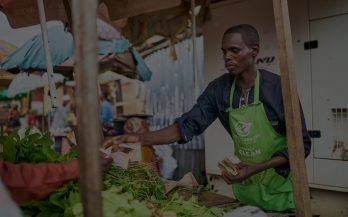
The Ebye’ndiisa Expo 2026 successfully promoted vegetables and nutrition in Uganda through stakeholder engagement, exhibitor recruitment, and media strategies, attracting 171 exhibitors and over 1,400 attendees. It improved nutrition awareness, market linkages, and consumer attitudes, validated as a demand-driven platform for healthy diets, with plans to institutionalize as a recurring event supported by government and partners.
- 30/09/2026
Cross-sectoral approaches are needed for food systems transformation—but how can countries move from systems thinking and visioning to actual coordinated action? This case study examines Benin’s development of a costed National Strategy for Accelerating Food Systems Transformation
- 16/09/2026
I-CAN, launched at COP27 in 2022, aims to accelerate action linking climate change and nutrition. Its 2023 baseline found that few countries fully integrate nutrition and climate priorities, with progress strongest in Latin America, the Caribbean and Africa, but investment still lagging.
- 14/09/2026
Mozambique faces interconnected climate and nutrition challenges. Recurrent droughts, floods, cyclones, and
extreme rainfall disrupt agricultural production, livelihoods, markets, water and sanitation systems, and
health services, with important consequences for food security and nutrition. These hazards are particularly
significant because many households depend on climate sensitive agriculture for food and income. This assessment
examines how Mozambique’s national policies and institutional landscape frame the connection between
climate and nutrition .
- 11/09/2026
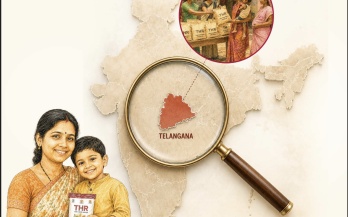
This resource page brings together resources from GAIN’s work on THR. The resources capture experiences from states including Telangana, Bihar, Uttar Pradesh and Gujarat, showcasing different approaches to THR production and delivery and the considerations associated with each.